Located on Sri Lanka's western coast, the scenic city of Negombo is a cultural treasure that bears the marks of the Dutch and Portuguese colonial empires. The local traditions, buildings, and cuisine all represent this rich cultural tapestry. This blog will trace the fascinating history of Negombo's cuisine, focusing on the seafood, main dishes, and the delicious dessert known as "Aluwa," and showing how the Dutch and Portuguese had a major impact on the people's eating and drinking habits.
Colonial Weaving :
While Negombo has been a thriving port for generations, the city's culture and cuisine suffered profound changes during the colonial era. Traditions in the city bear the indelible marks of the Portuguese, who arrived in the 16th century, and the Dutch, who arrived in the 17th.
Delicious Seafood :
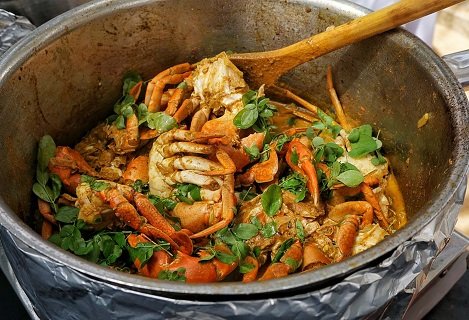
Because of its beautiful seaside setting, Negombo is a paradise for anyone who enjoys eating seafood.
The seafood culture in this area has been influenced in different ways by the Portuguese and the Dutch.
The Portuguese, who popularized the practice of marinating and frying fish and seafood in an alluring mixture
of spices and coconut milk, have had a significant influence on Negombo's cuisine.
Dishes like "Ambul Thiyal" (a sour fish curry) and "Fish Moilee," a fish stew with coconut milk,
are evidence of the Portuguese's lasting influence on Sri Lankan cuisine.
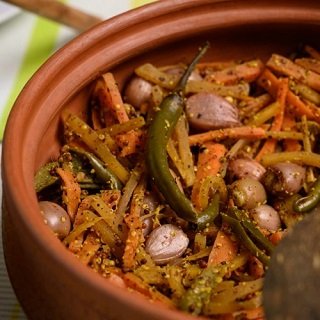
The Dutch influenced the practice of pickling and preserving seafood, which is known as "achcharu."
The "Jaadi" (pickle) of Negombo is a thriving example of this longstanding custom; it's produced using a variety of small fish.
Wonders of the Main Course :
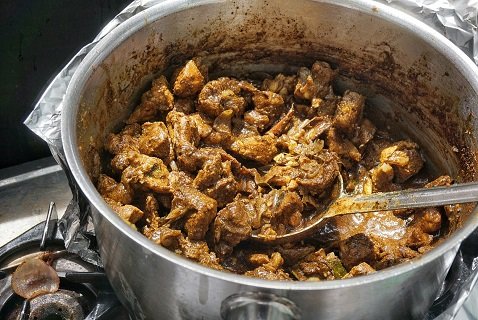
The main dishes in Negombo are a tasty mix of local Sri Lankan spices and colonial cooking methods.
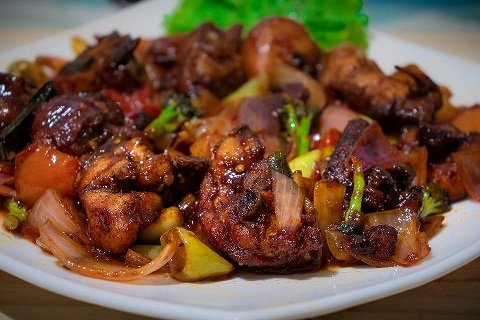
Sri Lankan food became spicier because of the Portuguese, who brought chili peppers to the island. The
Portuguese developed the "Deviled" method of cooking, which involves covering meat, fish, or vegetables in a fiery sauce.
Famous instances of this fiery custom may be found in the namesake "Deviled Prawns" and "Deviled Chicken" dishes of Negombo.
The Dutch left their mark on the cuisine of Negombo by introducing substantial stews. Some examples of Dutch influence
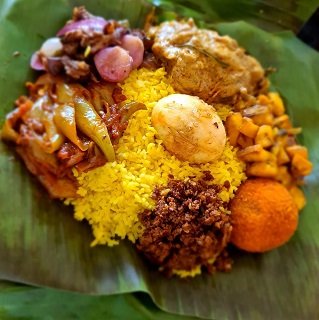
on the local cuisine include the dish "Lamprais," which consists of rice, meat, and various condiments; and the cake "Breudher,"
which is made with a lot of butter. These meals have become standard fare during celebrations in the Negombo Burgher community.
Aluwa, a Delicious Dessert :
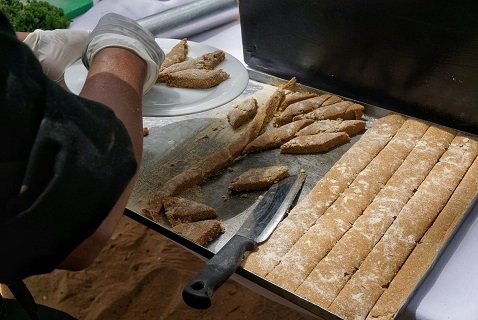
It's important to highlight "Aluwa," one of Negombo's delicious treats. Blending native flavors with colonial traditions,
this classic Sri Lankan dessert shows the lingering influences of the Portuguese and Dutch
Sweets were a custom the Portuguese left behind, and they helped inspire the creation of "Aluwa." Made with jaggery and
rice flour and seasoned with cardamom, cashew,cloves, and other aromatic spices brought to India by the Portuguese,
this dish is known for its sugary sweetness.
Dutch colonial control contributed to the development and widespread adoption of "Aluwa." Due in large part to the Dutch
penchant for decadent sweets, this treat is highly regarded as a staple of Negombo's dessert culture.
The Perfect Blend of Tastes :
The cuisine of Negombo is a wonderful example of the successful integration of Western influences with the
traditional flavors of Sri Lanka. It's a party honoring the generations-old
practices that have woven together to form the distinctive
gastronomic fabric of this seaside metropolis..
If you visit Negombo, Sri Lanka, and indulge in some of the local cuisine, such as the
spicy "Deviled Prawn" dish, the sweet "Aluwa," or the aromatic "Ceylon Tea," you will be experiencing a
taste of the city's rich past. It's a metropolis where history shapes the present, and the city's cuisine is a tasty tribute to forgotten tastes.
If you ever find yourself in Negombo, don't leave without sampling the scrumptious array of flavors that make up
this town's cuisine. Indulge in the exquisite Dutch and Portuguese legacies in this seaside treasure of Sri Lanka and
on a culinary trip through time. You can taste a little bit of history in every meal prepared in Negombo, the "Flavorful
Curry Pot of Sri Lanka," because the city's cuisine is a seamless blend of old and new.
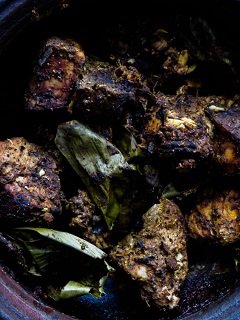
Note: Don’t forget to ask Eranda at Singhagra for a private cooking session of Negombo Black Pork Curry,
the famous rendition of Jaffna style Crab curry, the Meegamu (negombo) prawn curry and the Negombo Aluwa.
These can be arranged at a reasonable fee and a private sitting.
Compiled by Dinith Fernando